The recent escalation between Iran and Israel has captured worldwide attention, leaving many wondering how a regional conflict could have such far-reaching consequences. From missile strikes to international responses, the situation is complex, yet understanding it is crucial for anyone following global affairs. Let’s take a deep dive into the events, their causes, and what they mean for the world.
Historical Background of Iran-Israel Rivalry
The tension between Iran and Israel is not new. After the 1979 Iranian Revolution, Iran adopted a strong anti-Israel stance, supporting proxy groups like Hezbollah and Hamas. This indirect confrontation has shaped Middle Eastern geopolitics for decades. Iran sees Israel as a regional threat, while Israel considers Iran’s nuclear ambitions and military reach a direct danger. Over the years, this rivalry has escalated from political hostility to occasional military skirmishes, creating a fragile balance of power in the region.
Causes of the Recent Escalation
What triggered the recent attacks? Several factors contributed:
-
Nuclear Tensions: Iran’s nuclear program remains a contentious issue. Israel perceives any nuclear advancement as a potential existential threat.
-
Regional Influence: Iran aims to project power across the Middle East, while Israel seeks to curb this influence.
-
Proxy Conflicts: The activities of Iran-backed militias in neighboring countries often lead to retaliatory strikes.
-
U.S. Involvement: American support for Israel further complicates the situation, adding a global dimension to the conflict.
In essence, the recent outbreak is the result of a long buildup of distrust, strategic ambitions, and repeated provocations.
Timeline of the Conflict
Understanding the timeline helps grasp the scale of the conflict:
Pre-2025: Tensions remained largely indirect, with proxy engagements in Lebanon, Gaza, and Syria.
June 2025 – Twelve-Day War: Israel launched surprise strikes on Iranian military sites, prompting retaliation from Tehran targeting U.S. and Israeli positions.
February-March 2026: A new wave of missile attacks escalated the situation, with Tehran firing missiles toward major Israeli cities and Israel responding with airstrikes targeting Iranian nuclear and military facilities. Each strike seemed to push the conflict closer to a full-scale war.
Iran’s Military Actions Against Israel
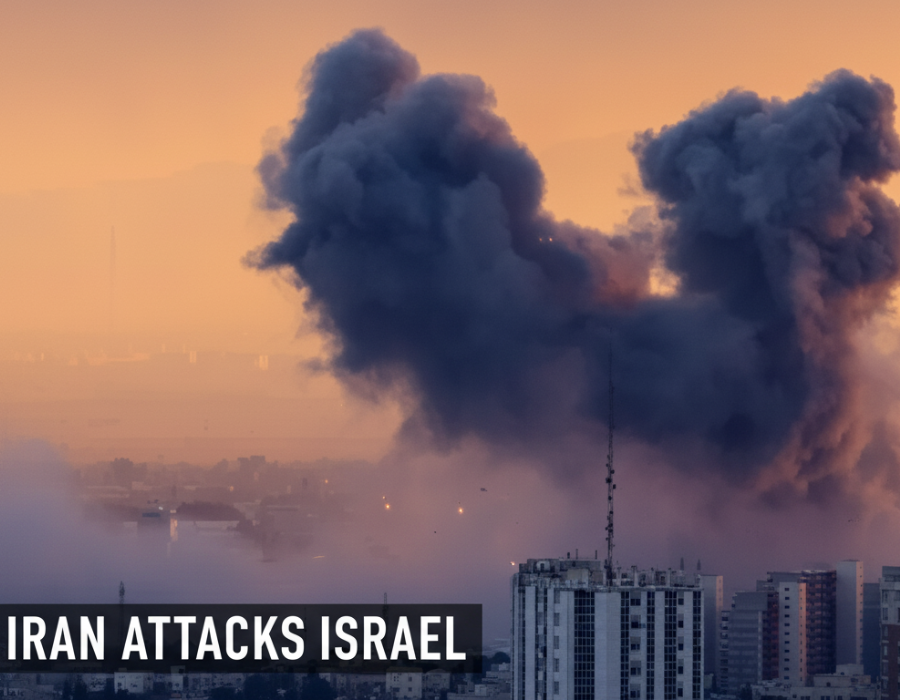
Iran’s attacks have been methodical, using both ballistic missiles and drones. Key cities, including Tel Aviv, experienced targeted missile strikes. The aim appears twofold: inflict damage on military installations and send a political message of power and deterrence. Iran’s strategy demonstrates both technological capabilities and a willingness to take risks in the face of Israeli defenses.
Israel’s Counterattacks
Israel’s response has been precise and forceful. Airstrikes focused on nuclear and military sites within Iran, aiming to limit Iran’s offensive capabilities. Reports indicate significant destruction of missile storage facilities and radar systems. Israel’s defense strategy also includes interception systems to minimize civilian casualties, although the impact on the Iranian population has been notable. This tit-for-tat cycle reflects a dangerous escalation, with neither side willing to back down.
The Role of the United States
The U.S. plays a pivotal role in the conflict, primarily through military and strategic support to Israel. American forces have conducted operations to bolster Israeli defense systems and deter Iranian escalation. Beyond military involvement, the U.S. also influences diplomatic efforts, attempting to shape negotiations and prevent a broader regional war. Essentially, the U.S. acts as both shield and catalyst in this delicate balance.
Humanitarian Impact
The human cost of the conflict is severe. Civilians on both sides have suffered casualties, with hospitals overwhelmed by injuries from missile strikes and air raids. Populations near conflict zones face displacement, fear, and disruption to daily life. The ongoing attacks illustrate that even technologically advanced military strategies cannot entirely prevent human suffering, emphasizing the stark reality of war.
Economic Consequences
The Iran-Israel conflict has significant economic repercussions, particularly in the energy sector. Oil prices surged as fears of instability in the Middle East threatened global supply. Trade routes through the Strait of Hormuz face potential disruption, affecting international shipping and commerce. Beyond immediate markets, regional economies may experience long-term consequences, with investor confidence shaken by continued instability.
Cyberwarfare and Information Battles
Modern conflicts extend beyond the battlefield. Iran and Israel have engaged in cyber operations, targeting each other’s networks to disrupt communications, gather intelligence, and influence public perception. Social media and digital platforms also play a role, spreading information, propaganda, and shaping international opinion. Cyberwarfare demonstrates that contemporary conflict is not only physical but digital, affecting infrastructure and perceptions globally.
Global Reactions
International responses have varied. The United Nations has called for restraint, urging both nations to avoid civilian harm. European countries are cautious, wary of being drawn into direct confrontation. Regional powers, including Gulf states, watch closely, balancing diplomacy and security interests. Global reactions underscore that this conflict, though regional in origin, has worldwide ramifications.
Future Prospects: Is a Full-Scale War Likely?
Will the situation spiral into a larger war? While escalation is possible, multiple factors could prevent full-scale conflict:
-
Diplomatic interventions from major powers
-
Mutual recognition of high costs of prolonged war
-
Strategic limitations on both sides
The outcome remains uncertain, but experts stress that ongoing negotiations and behind-the-scenes diplomacy are critical in preventing a catastrophic escalation.
Conclusion
The Iran attack on Israel is more than a regional confrontation; it is a complex interplay of history, strategy, and global politics. Understanding the roots, timelines, and consequences provides insight into how such conflicts can influence not just the Middle East but the entire world. As missiles fly and tensions rise, one thing is clear: the path to resolution requires careful diplomacy, awareness of humanitarian costs, and recognition of the fragile balance in this volatile region.
Frequently Asked Questions
What caused the Iran attack on Israel?
The attack resulted from long-standing tensions over nuclear ambitions, regional influence, proxy conflicts, and U.S. involvement supporting Israel.
Which cities in Israel were targeted by Iran?
Major cities like Tel Aviv experienced missile strikes, focusing on military and strategic targets.
How has Israel responded to the attacks?
Israel carried out airstrikes on Iranian nuclear and military sites, aiming to disable offensive capabilities while minimizing civilian impact.
What role does the United States play in this conflict?
The U.S. provides military support, strategic guidance, and diplomatic influence, helping Israel defend itself and manage regional escalation.
Could this conflict escalate into a full-scale war?
While escalation is possible, diplomatic efforts, strategic considerations, and international pressure may prevent a broader war.