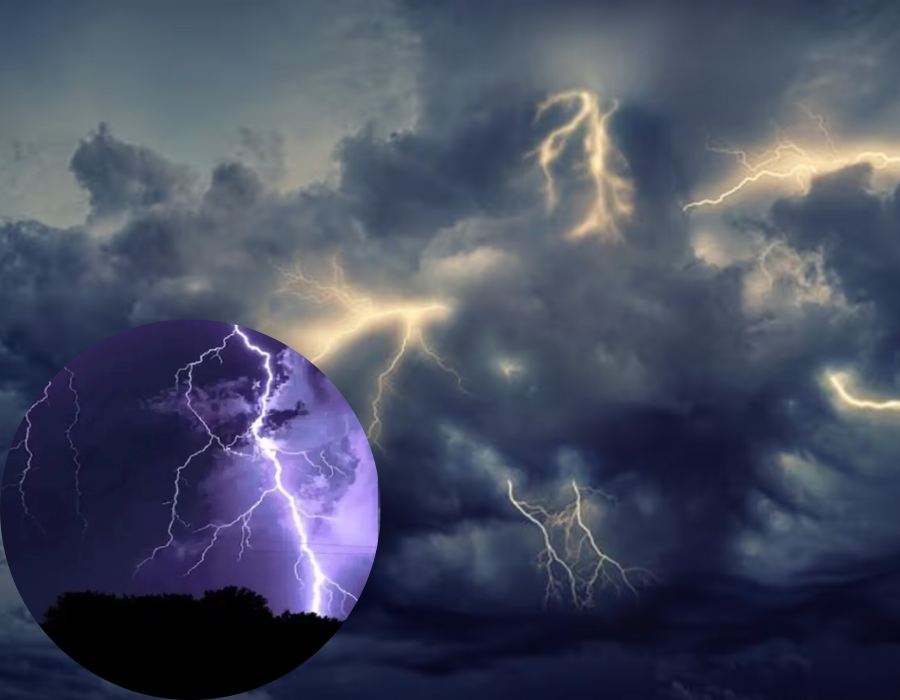
Have you ever imagined a glowing ball of light quietly floating through the air during a thunderstorm? Not a sci-fi movie scene, not magic—but something real that people around the world have witnessed for centuries. This strange and rare event is called a globular ray, also known as ball lightning.
Unlike the sharp, fast flash of normal lightning, a globular ray appears as a slow-moving, glowing sphere. It may drift calmly, change direction suddenly, pass through windows, or even vanish with a soft sound. Sounds unbelievable? You’re not alone. Scientists are still trying to fully understand it.
In this article, we’ll explore the globular ray in full detail—what it is, how it behaves, why it’s so mysterious, and whether it’s dangerous. Everything is explained in simple, conversational language for the general public, so you can enjoy learning without feeling overwhelmed.
What Is a Globular Ray?
A globular ray is a rare atmospheric phenomenon usually seen during or after thunderstorms. It appears as a glowing ball of light that can float, hover, or move slowly through the air. Unlike regular lightning, it doesn’t flash and disappear instantly. Instead, it can last several seconds—or even longer.
Think of it like nature’s version of a floating lantern, except no one lit it, and no one knows exactly how it stays lit.
People often describe it as:
-
A bright sphere or orb
-
Softly glowing rather than blinding
-
Silent or slightly hissing
Although it looks calm, it can sometimes end suddenly with a small explosion or spark.
Why Is It Also Called Ball Lightning?
The name ball lightning comes from its shape and timing. It often appears during thunderstorms, just like regular lightning, but instead of a zigzag bolt, it forms a ball.
Over the years, different cultures used different names:
-
Ball lightning
-
Globe lightning
-
Fireball
-
Globular ray
“Globular ray” is a more descriptive term because it combines the spherical (globular) shape with its lightning-like energy.
A Brief History of Globular Ray Sightings
Globular ray sightings are not new. In fact, people have been reporting them for more than 300 years.
-
18th century sailors reported glowing balls moving across ship decks
-
Pilots have described orbs entering aircraft cabins
-
Homeowners claimed glowing spheres floated through windows or chimneys
Before electricity was well understood, many people believed these glowing balls were supernatural. Some thought they were spirits, others believed they were signs from the heavens.
Today, we know they are natural—but still mysterious.
How Does a Globular Ray Look?
Appearance
Most people describe a globular ray as:
-
Spherical or slightly oval
-
Bright but not painful to look at
-
Surrounded by fuzzy or soft edges
It doesn’t shine like the sun. Instead, it glows gently, like a light bulb wrapped in mist.
Color
Globular rays come in different colors:
-
Orange
-
Yellow
-
Red
-
Blue
-
White
The color may depend on the surrounding air, moisture, or energy involved.
Size and Duration: How Big and How Long?
Size
The size can vary a lot:
-
As small as a pea
-
As large as a beach ball
-
Rare cases even larger
Most reported globular rays are about the size of a grapefruit.
Duration
This is one of the most surprising parts. While normal lightning lasts a fraction of a second, a globular ray can last:
-
1 to 5 seconds (most common)
-
10 to 60 seconds (rare but reported)
That’s long enough for people to clearly observe and remember it.
Movement: Why Does It Act So Strangely?
Globular rays don’t follow the rules we expect from lightning.
They can:
-
Float slowly
-
Move horizontally or vertically
-
Stop and hover
-
Change direction suddenly
Some even rotate gently as they move.
Imagine a soap bubble drifting in the air—but glowing and powered by energy. That’s the closest everyday comparison.
Can a Globular Ray Pass Through Solid Objects?
This is one of the most confusing and fascinating aspects.
Many eyewitnesses claim globular rays have:
-
Passed through windows without breaking them
-
Entered rooms through walls or chimneys
-
Moved along metal wires or pipes
Scientists are unsure whether the ball actually passes through solid matter or if it finds tiny gaps we can’t see. Either way, these reports challenge what we think we know about physics.
What Sounds or Smells Are Associated with It?
Not all globular rays are silent.
Some people report:
-
A soft hissing or buzzing sound
-
A sharp “pop” when it disappears
-
A strong smell, similar to ozone or sulfur
The smell is often linked to electrical activity, which supports the idea that globular rays involve energy or plasma.
Scientific Theories: How Might a Globular Ray Form?
Even today, there is no single explanation that answers everything. However, scientists have proposed several theories.
Silicon Vapor Theory
This theory suggests that when lightning strikes the ground, it vaporizes silicon from soil or sand. The silicon then reacts with oxygen, forming a glowing ball of energy.
Ionized Air Theory
Here, the idea is that lightning creates a cloud of charged particles. These particles clump together, forming a glowing sphere that floats briefly.
Plasma Theory
Plasma is a high-energy state of matter. Some scientists believe a globular ray is a self-contained plasma ball, held together by electromagnetic forces.
Each theory explains some features—but none explain all of them.
Is the Globular Ray Real or Just a Myth?
This question comes up a lot: Is it real or fake?
The answer: It is real—but rare and unexplained.
Why scientists believe it exists:
-
Hundreds of eyewitness accounts over centuries
-
Reports from trained observers like pilots and engineers
-
Recent video recordings, though rare
The main challenge is that globular rays are unpredictable. Scientists can’t easily recreate them in laboratories, which makes research difficult.
Is a Globular Ray Dangerous?
Usually, globular rays are harmless—but not always.
Reported dangers include:
-
Burns
-
Fires
-
Explosions
-
Electrical damage
There have been rare cases of serious injury and even death. So while most sightings end without harm, it’s best to keep distance if one ever appears.
What Happens If You Touch a Globular Ray?
Touching one is extremely rare, but reports suggest:
-
Severe burns
-
Strong electric shock
-
Sudden explosion
In short: it’s not something you’d want to test out of curiosity.
Globular Ray Inside Homes and Aircraft
Yes, globular rays have been reported inside:
-
Houses
-
Churches
-
Airplanes
They may enter through:
-
Open windows
-
Chimneys
-
Electrical wiring
This makes them even more mysterious, as normal lightning doesn’t behave this way.
Cultural and Spiritual Interpretations
Before science tried to explain it, people gave spiritual meanings to globular rays.
Some believed they were:
-
Spirits or souls
-
Signs of divine power
-
Messages from nature
Even today, some cultures view them as symbols of transformation or warning. While science doesn’t support these ideas, they show how deeply this phenomenon has impacted human imagination.
Why Does the Globular Ray Remain a Mystery?
Despite modern technology, globular rays remain hard to study because:
-
They happen rarely
-
They appear unexpectedly
-
They don’t last long
Until scientists can reliably recreate one under controlled conditions, many questions will remain unanswered.
Conclusion
The globular ray is one of nature’s most fascinating puzzles. It’s real, it’s rare, and it behaves in ways that challenge our understanding of physics. Like a glowing question mark floating through a stormy sky, it reminds us that the natural world still holds secrets.
Maybe one day, science will fully explain it. Until then, the globular ray remains a beautiful mystery—proof that even in our modern age, nature can still surprise us.
Frequently Asked Questions (FAQs)
1. How rare is a globular ray?
It is extremely rare. Most people will never see one in their lifetime.
2. Can a globular ray appear without a thunderstorm?
Most sightings occur during storms, but a few reports suggest it can appear shortly after.
3. Is ball lightning the same as a globular ray?
Yes, both terms describe the same phenomenon.
4. Can globular rays be captured on camera?
Yes, but it’s very difficult due to their sudden and brief nature.
5. Should you be afraid if you see one?
It’s best to stay calm and keep your distance, as it can be unpredictable.