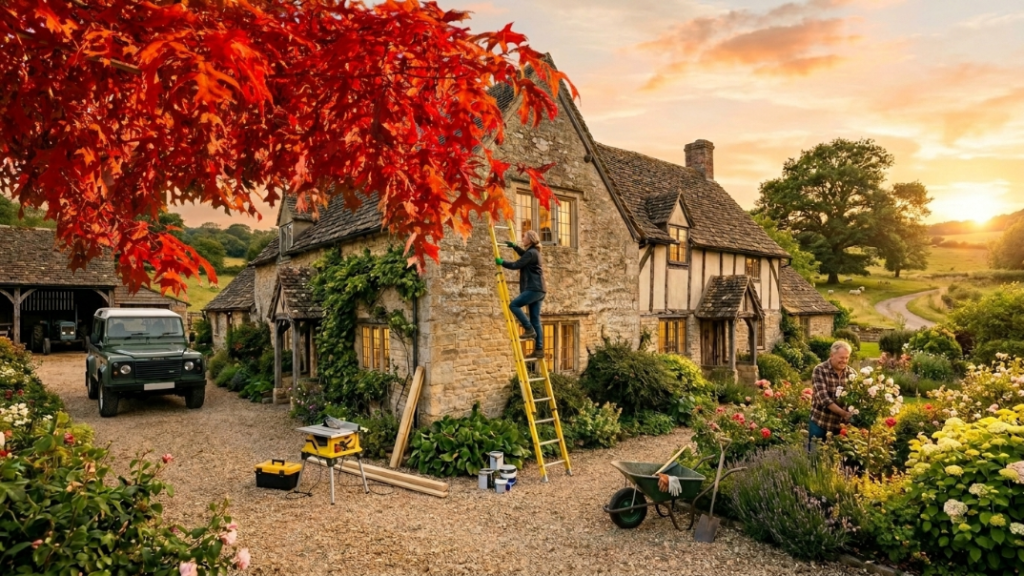
Older properties have a charm that can be hard to replicate. From original fireplaces and high ceilings to solid timber doors and decorative details, they often come with character that newer homes simply do not have. However, improving an older property takes a little more care than updating a modern one. Before you start choosing paint colours or planning a new kitchen, it is worth thinking carefully about the building itself, its condition and how any changes will affect its long-term value.
Understand the Structure First
The first step is to understand what you are working with. Older homes can hide issues behind walls, floors and ceilings, especially if they have been altered several times over the years. Damp, uneven floors, outdated wiring, poor insulation and old plumbing are all common discoveries.
A professional survey can help identify any serious concerns before you begin. Even if the property looks sound, it is better to know about structural problems early rather than halfway through a renovation. This can help you budget more accurately and avoid expensive surprises.
Keep the Character Where You Can
One of the biggest mistakes people make when improving older properties is stripping away too much of their original personality. While modern updates are often needed, they should work with the age and style of the building rather than against it.
Original floorboards, cornicing, fireplaces, sash windows and internal doors can all add value and appeal. Where possible, restore rather than replace. Small imperfections often contribute to the charm of an older home, so the goal does not always need to be a flawless, brand-new finish.
Improve Energy Efficiency Carefully
Older properties are not always the most energy efficient, but upgrades need to be handled thoughtfully. Adding loft insulation, draught-proofing windows and sealing small gaps can make a noticeable difference without changing the appearance of the home.
When dealing with gaps around pipes, frames or awkward spaces, tools such as expanding foam guns can help create a neater and more controlled finish. This can be useful for DIY jobs where precision matters, especially in older homes where gaps may be irregular.
Check Planning and Building Rules
If your property is listed or located in a conservation area, there may be limits on what you can change. Windows, doors, roofing materials and exterior finishes may all need permission before work begins. Even internal changes can sometimes require approval, particularly if they affect the structure. Always check with your local authority before starting major work. It is far easier to get permission in advance than to correct unauthorised changes later.
Budget for the Unexpected
Older properties often come with hidden costs. Once work begins, you may uncover rotten timbers, damaged plaster, old pipework or wiring that needs replacing. Building a contingency fund into your budget is essential. A good rule is to allow extra money for problems that may only become visible once the renovation starts. This gives you more flexibility and reduces the stress of unexpected repairs.
Think Long Term
Improving an older property is not just about making it look better now. It is about protecting the building for the future. Choose materials that suit the age of the home, use skilled trades where needed and avoid quick fixes that may cause issues later.
With the right approach, an older property can become more comfortable, efficient and practical while still keeping the character that made it special in the first place.